Stratospheric
Positioning Systems

Two-axis gimbal platforms and payload integration systems for HAPS, high-altitude balloon platforms, optical payloads and directional antenna systems operating in the stratosphere.
Low pressure, extreme temperature, mass and power constraints define every engineering decision at 16–23 km altitude. Our gimbal platforms are designed from the ground up for these conditions.
Why Positioning Matters at Altitude
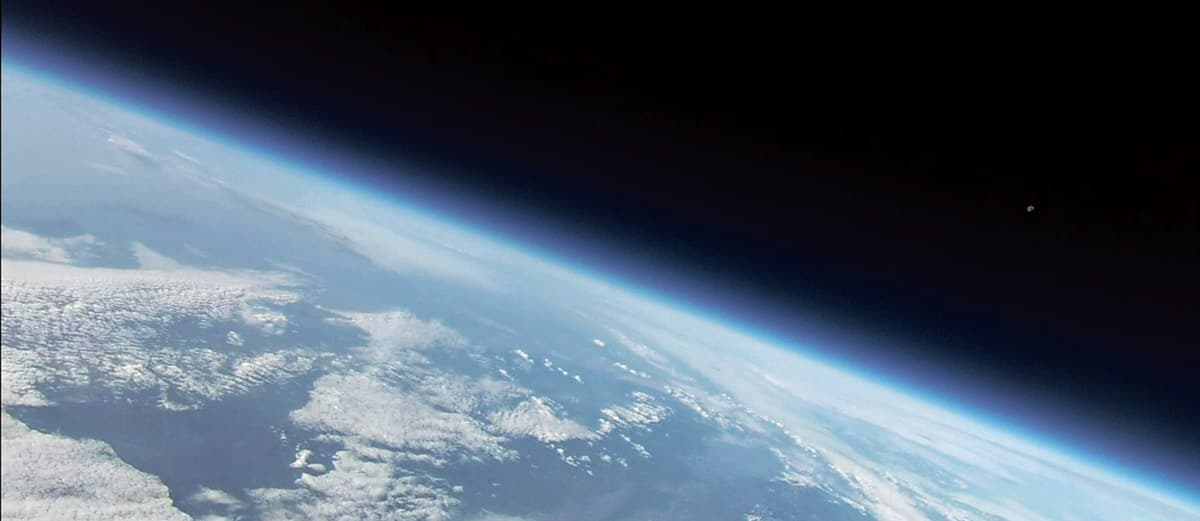
At 16–23 km altitude, payloads on HAPS platforms and stratospheric balloons face an environment fundamentally different from ground or low-orbit applications. The platform moves. The payload must not — or must follow a precise trajectory.
Cameras, optical sensors, antennas and communication systems all require stable, accurate pointing to deliver mission value. Without active two-axis stabilization and attitude control, platform attitude disturbances translate directly into payload performance degradation.
The engineering challenge is to provide this pointing performance within severe constraints on mass, power, volume, temperature and pressure — constraints that eliminate most conventional solutions and require purpose-designed systems.
HAPS, Balloon and Payload Use Cases

Stratospheric positioning systems support a broad range of payload types and mission profiles. The specific requirements vary — the engineering constraints do not.
HAPS Platforms
Payload pointing and stabilization for High-Altitude Pseudo-Satellite platforms operating at 16–23 km altitude. Camera systems, optical sensors, antennas and communication payloads.
High-Altitude Balloon Platforms
Scientific and technology demonstration payloads on stratospheric balloon platforms. Short and long-duration missions with precise attitude control requirements.
Optical Payload Pointing
Stabilization of imaging systems, telescopes, LIDAR sensors and electro-optical payloads requiring precision pointing and isolation from platform motion.
Antenna & Communication Systems
Directional antenna pointing for ground-to-air, satellite and inter-platform communication links. Continuous tracking and attitude-compensated beam steering.
Gimbal Platform Overview
Three gimbal platforms covering a range of payload classes, mission profiles and budget levels — from demanding precision HAPS payloads to ultra-lightweight micro-balloon applications.
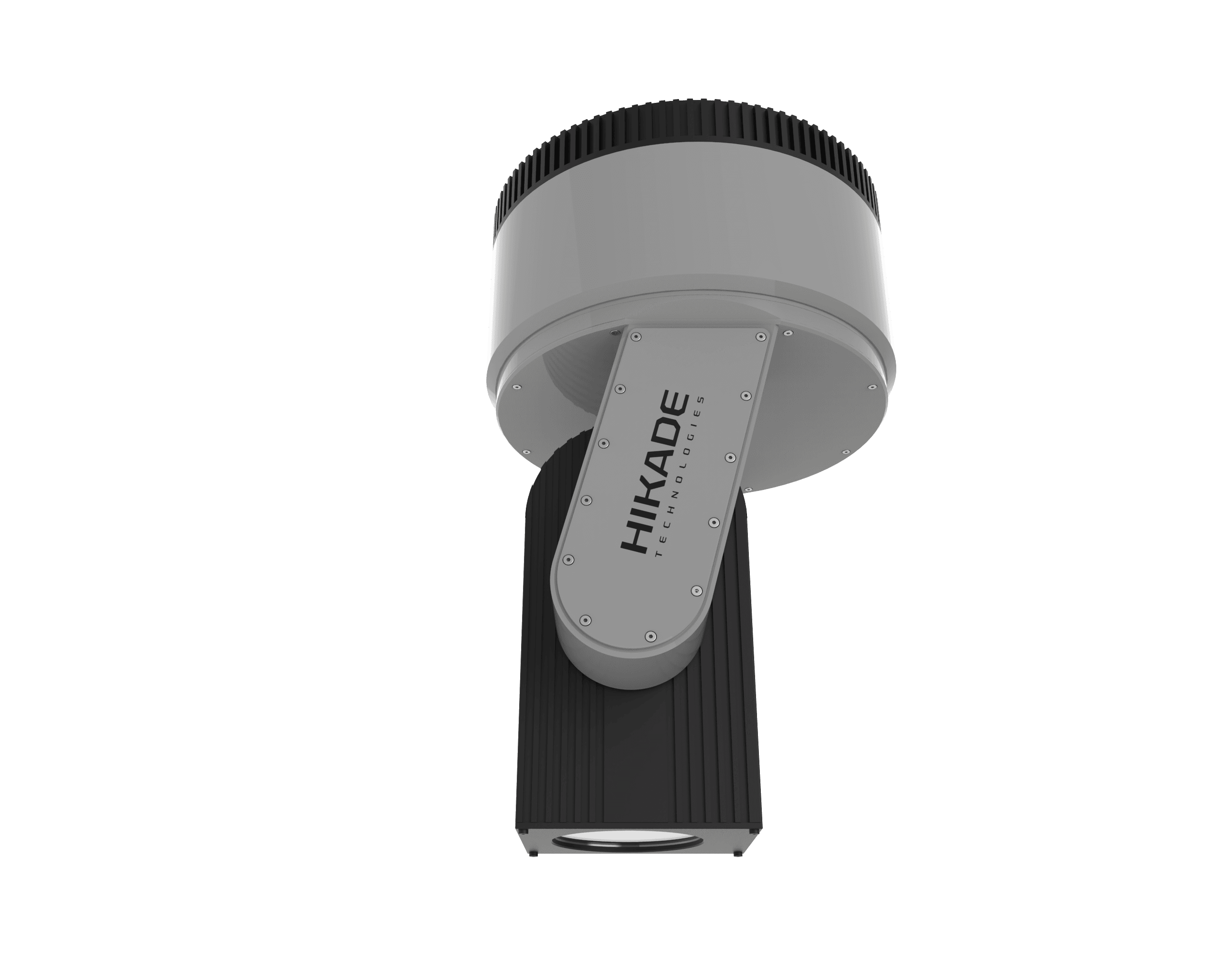
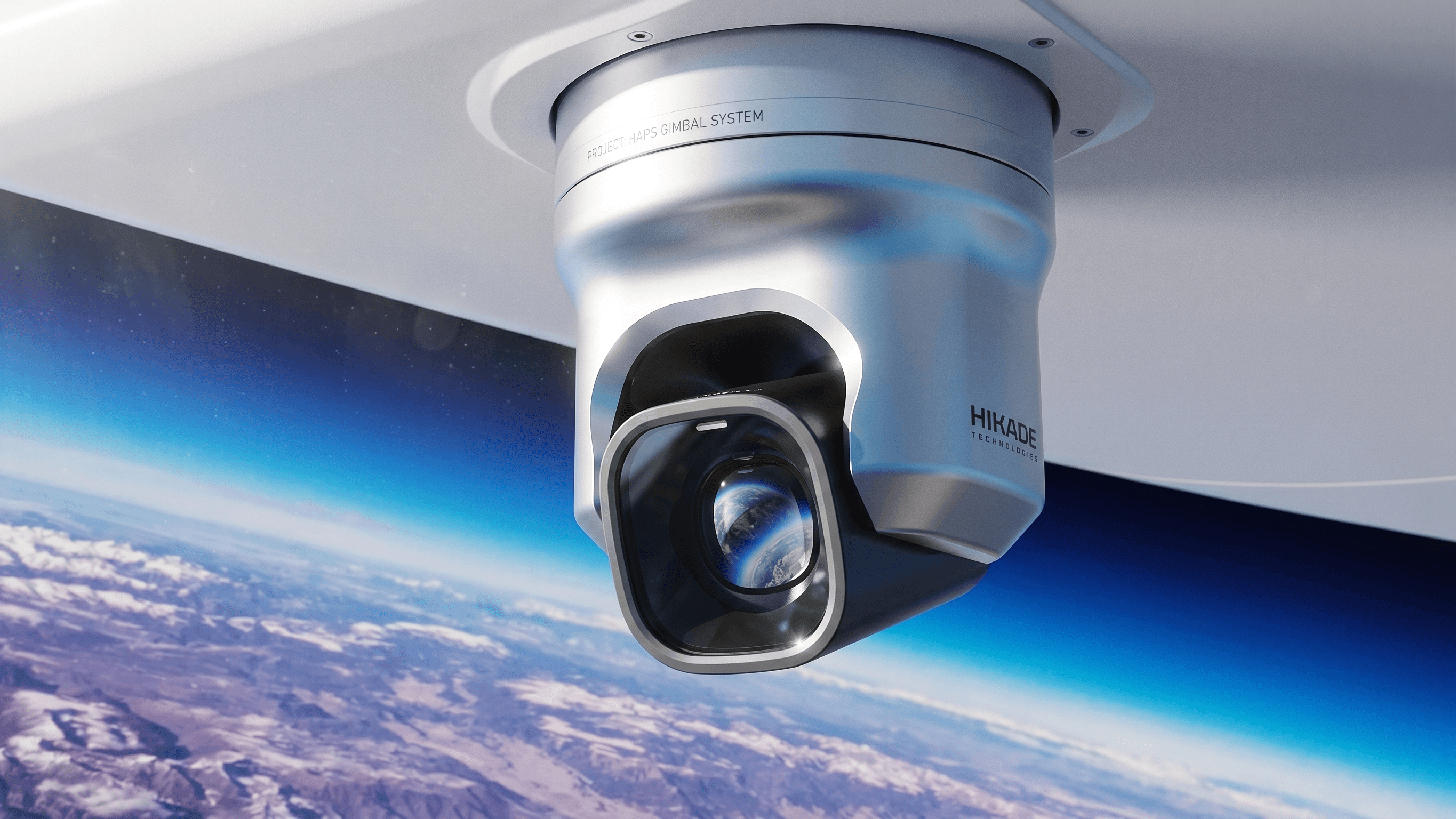
PATRON
High-Precision HAPS Gimbal
Configurable two-axis gimbal platform for demanding HAPS and stratospheric payloads. Designed for optical, antenna and sensor payloads requiring precise pointing, robust mechanical design and customer-specific integration.
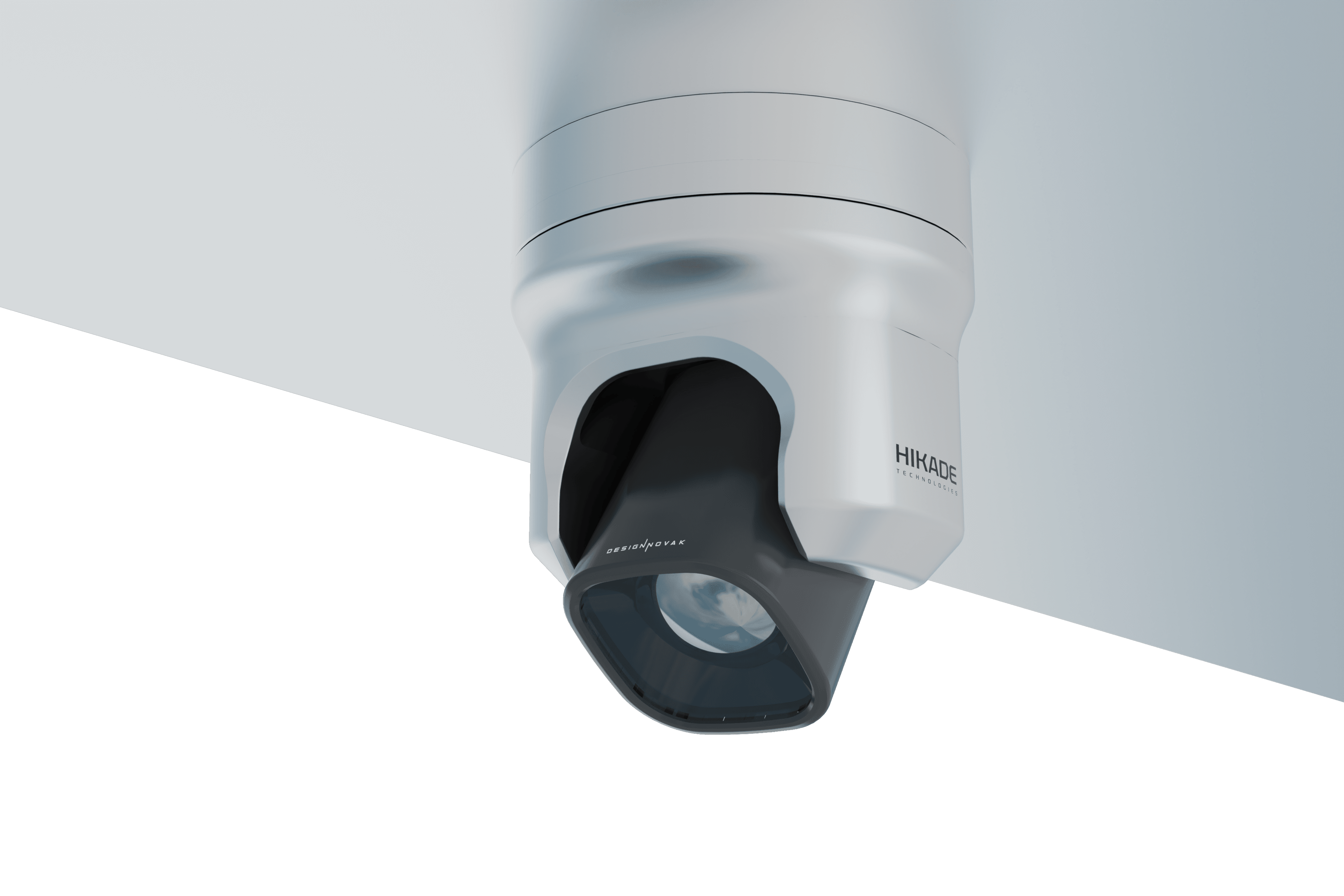
BEETLE
Lightweight HAPS Gimbal
Compact two-axis gimbal for smaller payloads, test flights and technology demonstrations. Optimised for cost-sensitive stratospheric applications, drone platforms and development test campaigns.
Micro BEETLE
Ultra-Lightweight Concept
Early-stage development direction targeting ultra-lightweight two-axis pointing for very small payloads, micro-balloon platforms and applications with single-digit watt power budgets.
Technical Challenges
Stratospheric operation imposes constraints that cannot be addressed with off-the-shelf components or conventional design approaches. Every challenge below drives specific engineering decisions.
Operating Pressure Range
Operating pressure range of 3–1000 kPa across flight, ground handling and storage conditions. Tribology, sealing, outgassing and thermal management all change fundamentally at the low end of this range.
Operating Temperature Range
Operating temperature range of −80 to 80 °C. Material selection, lubrication type, bearing preload, actuator characteristics and electronics behaviour are all temperature-dependent.
Limited Convection
Negligible convective heat transfer at low pressure. Thermal management must rely on conduction and radiation — driving structural and electronics design.
Mass Constraints
Strict payload mass budgets on stratospheric platforms. Every structural element, motor, encoder, cable and connector must be justified by the mass it adds.
Limited Power Budget
Solar or battery-limited platforms impose hard power caps. Efficient actuator selection, drive electronics and control logic are not optional.
Vibration & Structural Stiffness
Platform dynamics, wind loads and actuator excitation all require sufficient structural rigidity to maintain pointing accuracy under dynamic conditions.
Cable & Harness Management
Flexible cable runs through rotating joints without restricting motion, introducing friction, or degrading over thermal cycles — a critical mechanical design problem.
Embedded Real-Time Control
Closed-loop attitude control, rate compensation, trajectory following and payload interface management — all integrated in a mass- and power-constrained system.
Payload Integration
Customer-specific mechanical interfaces, electrical connectors, data protocols and timing requirements must be accommodated without compromising gimbal performance.
Serviceability
Ground integration, adjustment and maintenance must be practical given launch constraints, limited access and the need to verify system state before each mission.
Validation Strategy
Full stratospheric environmental testing is expensive. Validation must be planned carefully — ground testing, altitude chamber, and incremental flight testing — to reduce risk.
Typical Customer Requirements
A technical consultation starts with a defined set of requirements. The more precisely the operating envelope, payload characteristics and mission profile are described, the faster we can assess feasibility and propose a realistic engineering path.
- →Defined payload mass and envelope with mechanical interface specification
- →Power supply voltage, current limits and supply topology at the gimbal interface
- →Required pointing accuracy and slew rate for the specific payload mission
- →Operating altitude and expected temperature range at deployment
- →Platform vibration spectrum and angular rate environment
- →Communication and data interface requirements (RS-485, Ethernet, custom)
- →Integration timeline, access constraints and launch vehicle requirements
- →Validation approach and acceptance test criteria
- →Serviceability and maintenance requirements after mission
Not sure about your requirements yet?
Early-stage projects often start with an application concept rather than a precise specification. We can help translate mission objectives into a preliminary technical requirement set and identify the key design drivers.
Start a Technical DiscussionTypical engagement starting points
- –HAPS platform with defined payload envelope and mass budget
- –Balloon-borne science mission with attitude control requirement
- –Technology demonstration flight with camera or sensor payload
- –Antenna-pointing system for stratospheric communication link
Ready to discuss a stratospheric positioning application?
Send us your operating environment, payload mass and the mission profile. We will help define a realistic engineering path from concept to a validated gimbal system.